


Bassin' on the Fly with St. Peter's Fly Shop
With summer here and in full swing, some of the best (or should we say BASS) action
isn't found in mountain streams, it's happening in the ponds and reservoirs
scattered across the Front Range.
Bass are aggressive, powerful, and perfectly suited for the
fly rod. Whether you're stripping streamers along a rocky shoreline or watching
a fish explode on a popper, bass offer some of the most exciting and visual
fishing of the season.
Bass also offer a great change of pace from trout streams during the dog days of summer when rising temperatures can narrow down the options for trout fishing. Bass prefer these warmer water temps and take advantage of them by eating aggressively throughout the summer.

Three flavors to choose from...
The Front Range is home to three main species of bass those being Smallmouth, Largemouth and Wiper(White Bass). All of these species have unique behavior which means that tailoring your tactics to the species your fishing for can make or break a day on the water, so this blog will break down each species individually.


Horsetooth's Hard-Fighting Smallmouth
Just minutes from Fort Collins, Horsetooth Reservoir has
become one of Northern Colorado's premier smallmouth bass fisheries. Rocky
shorelines, submerged points, and boulder fields provide ideal habitat for
these bronze-backed fighters.
Smallmouth are known for their incredible strength and
acrobatic fights. During summer, they're often found cruising shallow rocks
early and late in the day before sliding deeper as the sun climbs. Topwater
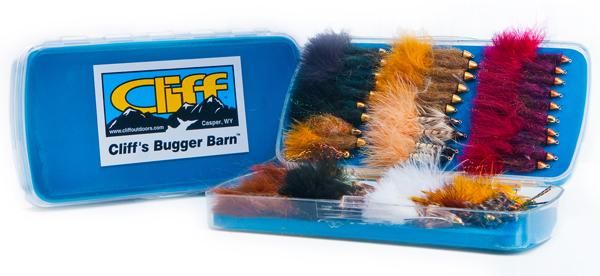
poppers, baitfish patterns, and crawfish flies are all staples in our fly
boxes.


Don't Forget the Largemouth
While Horsetooth has earned its reputation as a premier
smallmouth fishery, largemouth bass are quietly thriving throughout many ponds,
lakes, and reservoirs across Northern Colorado's Front Range. They're often
overlooked by fly anglers, but they provide some of the most exciting and
accessible fishing of the summer.
Unlike smallmouth, which favor rocky shorelines and deeper
structure, largemouth prefer cover. Look for weed beds, cattails, fallen
timber, docks, lily pads, and shallow coves where they can hide before
ambushing baitfish, frogs, and crayfish. This style of fishing is incredibly
visual, requiring anglers to pick apart likely holding water one cast at a
time.
Warm summer mornings and evenings are prime time. Tossing a
foam popper or diver tight against shoreline cover and watching a largemouth
erupt through the surface is an experience that keeps anglers coming back. When
fish aren't looking up, switching to a baitfish streamer, rabbit strip fly, or
crawfish pattern can produce equally exciting results.
One of the biggest advantages of targeting largemouth is
accessibility. Many productive fisheries are only a short drive from home,
making them perfect for a quick evening outing after work or introducing
someone new to fly fishing. The fishing can be fast paced, the scenery is often
close to town, and you never know when the next cast might connect with the
biggest bass in the pond.
For anglers looking to expand beyond trout, largemouth bass
offer a fun, forgiving, and incredibly rewarding way to spend a summer day with
a fly rod in hand.


White Bass & Wiper
Scattered along the front range are a number of small lakes
and reservoirs that are stocked with white bass and wiper. These fish are some
of our favorites to chase during warm water months. White bass explode on poppers
during the first hours of daylight. Scattering baitfish as they hunt down prey
in wolf packs. Hard hitting and aggressive, white bass should be on the top of
everyone’s list to chase during warmer months.
Wiper, a hybrid white bass/striped bass, are a white bass on
steroids. Growing up to 15 pounds regularly, these fish will take you well into
your backing on their initial run. The hit from a wiper is unmistakable and
will keep you wanting more. Time on the water and persistence are key in
chasing these fish. Early morning and evening sessions are key, when wiper
push to the shallows and actively hunt bait along weed edges, rocks or even in
open water as they push bait around to feed. Larger flies will get noticed more
and allow wiper to use their lateral lines to hone in on. Fast retrieves will
produce strikes even though fish may not be actively feeding. Running an
intermediate line to stay down a little is key on these faster retrieves. If
fishing from a boat, running a full sink line will help even more and allow you
to work the entire water column.
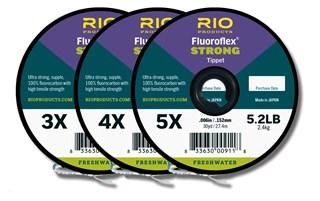
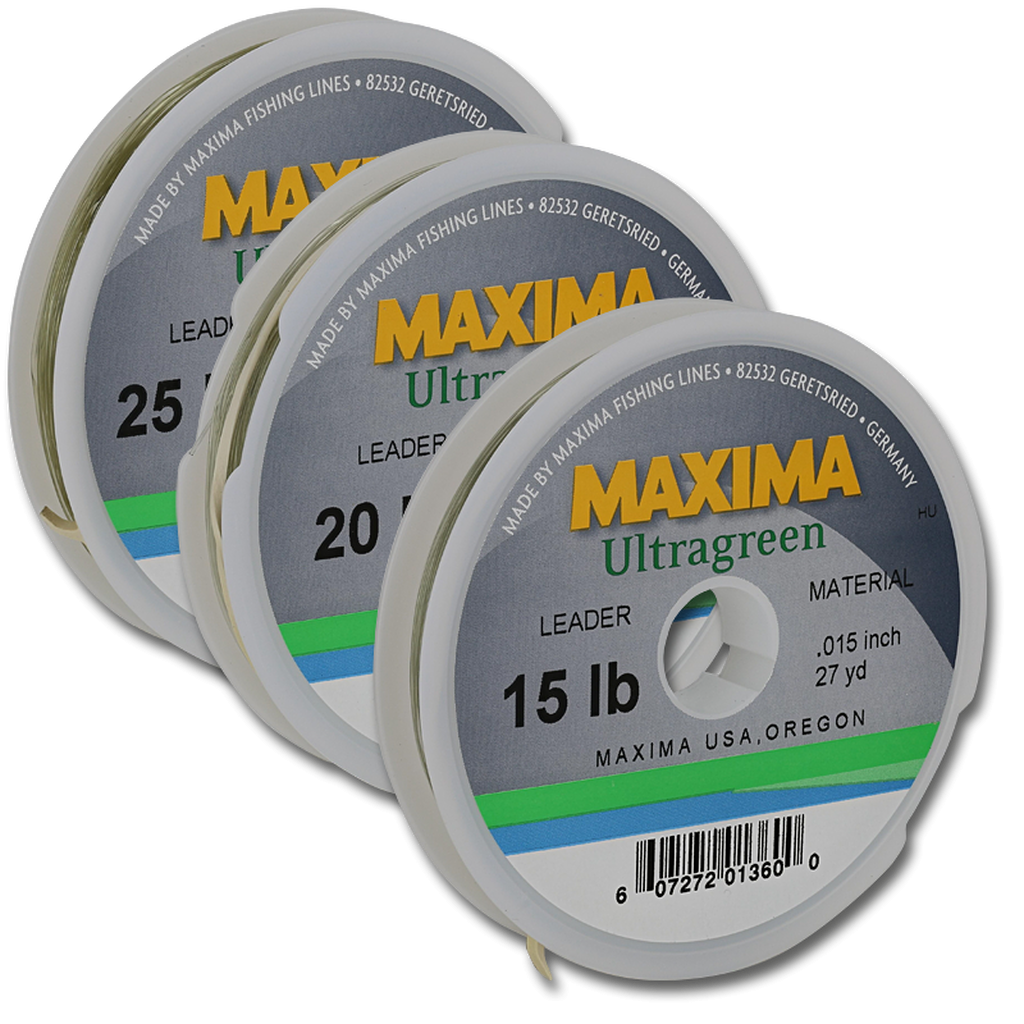
Bass Flies and Gear View all


A Perfect Summer Alternative
Bass fishing is also a great way to stay on the water when
rising temperatures make trout fishing more challenging. A 6 or 7 weight rod, a
handful of streamers and poppers, and a pair of polarized sunglasses are all
you need to get started.
Whether you're exploring Horsetooth Reservoir or a
neighborhood pond, bass offer explosive strikes, hard fights, and an entirely
different way to enjoy fly fishing close to home.
If you're looking to get started, stop by either St. Peter's
Fly Shop location. We'd be happy to help you pick out the right flies, gear,
and point you toward some of our favorite local bass waters.
Lonetree Reservoir Guided Trips
Lonetree Reservoir provides some of the best warmwater fishing on the front range. If you would like to give Bass a try but aren't sure where to start booking a trip on this private reservoir is a great way to get a foot in the door.
