

Fly Line Maintenance & Its Importance
With spring arriving on the Front Range and fishing heating up as quickly as the weather, being prepared for time on the water means more than just having the right bugs, floatant, leaders, and indicators. The most critical piece tying it all together is your fly line.
A clean, well-treated fly line, free of cracks and dirt, supple, and low-friction, will make your time on the water far more enjoyable and help prevent any dreaded casting issues from creeping in.
A useful way to think about fly lines is to compare them to tires on a car. Just like tires are made with specific rubber compounds designed for performance and durability, fly lines rely on a carefully balanced coating to maintain the right level of softness and slickness. Softer compounds provide better grip and performance, like high-end tires, but they wear out faster. Harder compounds last longer but can lose that supple feel over time.

What does your fly line look like?
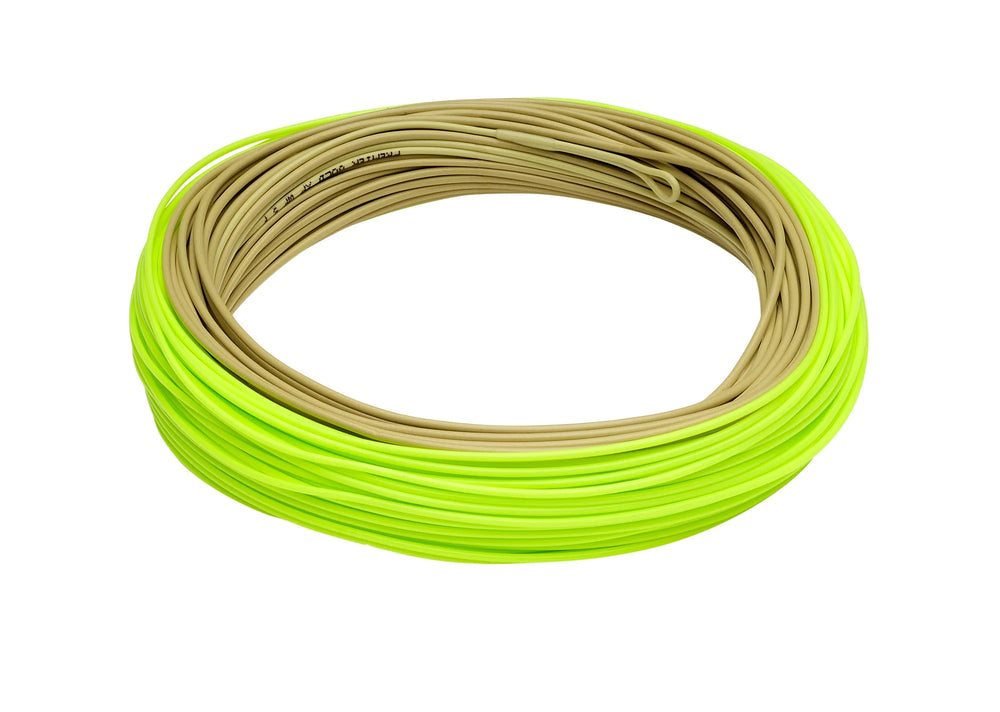
Fly lines are a critical component that’s often overlooked. A line like the one pictured has exceeded its usable lifespan several times over. A clean, fresh line without cracks will cast more farther and smoother, float higher, and ultimately help you catch more fish. A sinking or deteriorated line leads to missed opportunities, reduced control, and inevitable frustration on the water.
Old fly lines can do more than just reduce performance, they can actually create bad casting habits. When a line no longer shoots smoothly through the guides, it often leads to overcompensating in your casting stroke. Over time, that extra force can become ingrained, causing tailing loops and other persistent casting issues.
As a fly line ages, UV exposure, dirt, and repeated use gradually change that balance. The coating hardens, small cracks develop, and the line begins to behave more like an old, worn tire, less responsive, less efficient, and more prone to failure. You wouldn’t expect a bald or hardened tire to perform safely at high speeds, and the same logic applies on the water.
Maintaining that “just right” level of flexibility and surface integrity is critical. Regular cleaning, proper storage, and timely replacement keep the line performing as intended, floating high, shooting cleanly, and giving you the control you need. In the end, a well-maintained fly line isn’t just about equipment care, it’s about maximizing every cast and every opportunity on the river.
Be sure to swing by the shops during our Annual Spring Reel and Line Cleaning, from March 23rd to April 4th and let us get your line and reel cleaned, tuned and ready for the upcoming season.
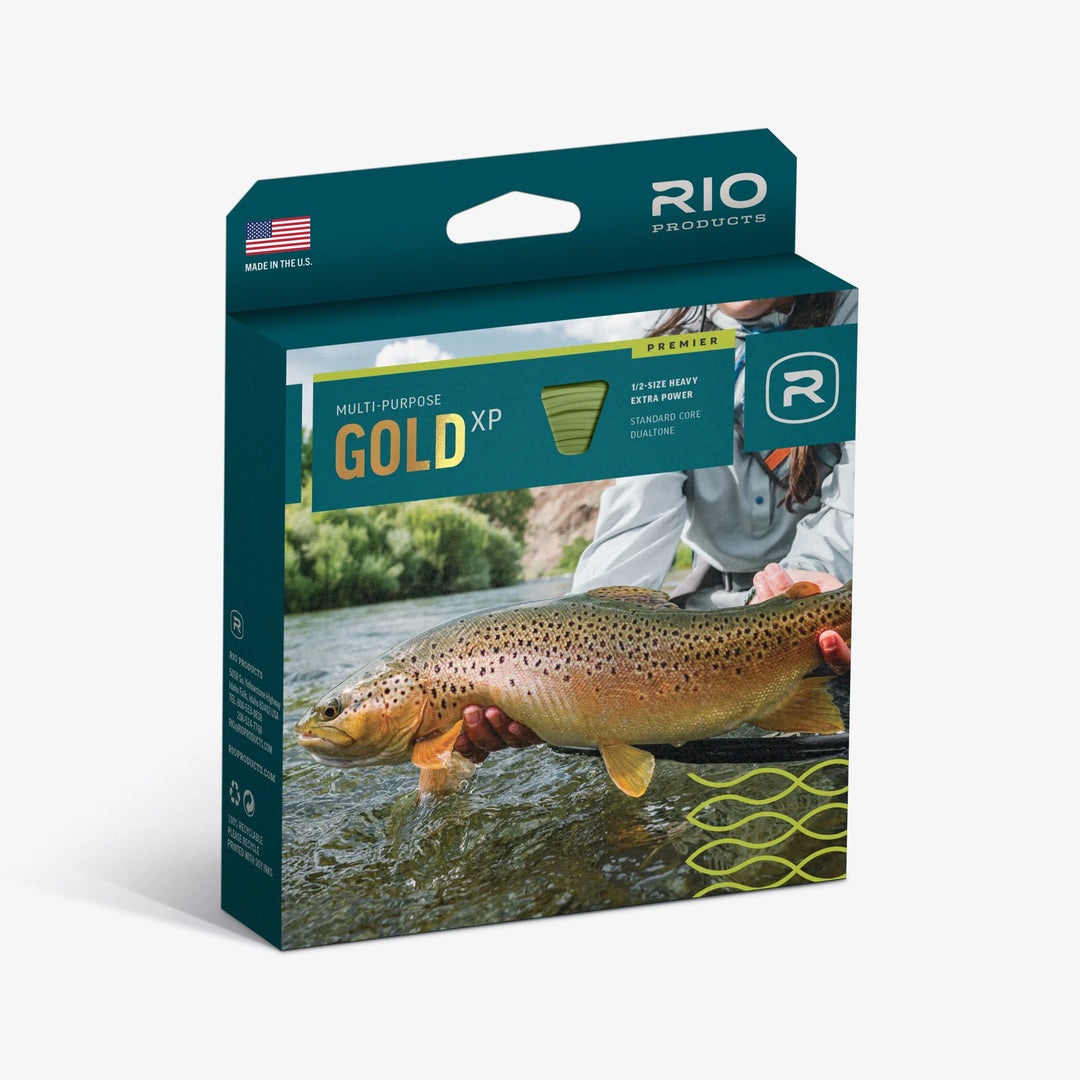
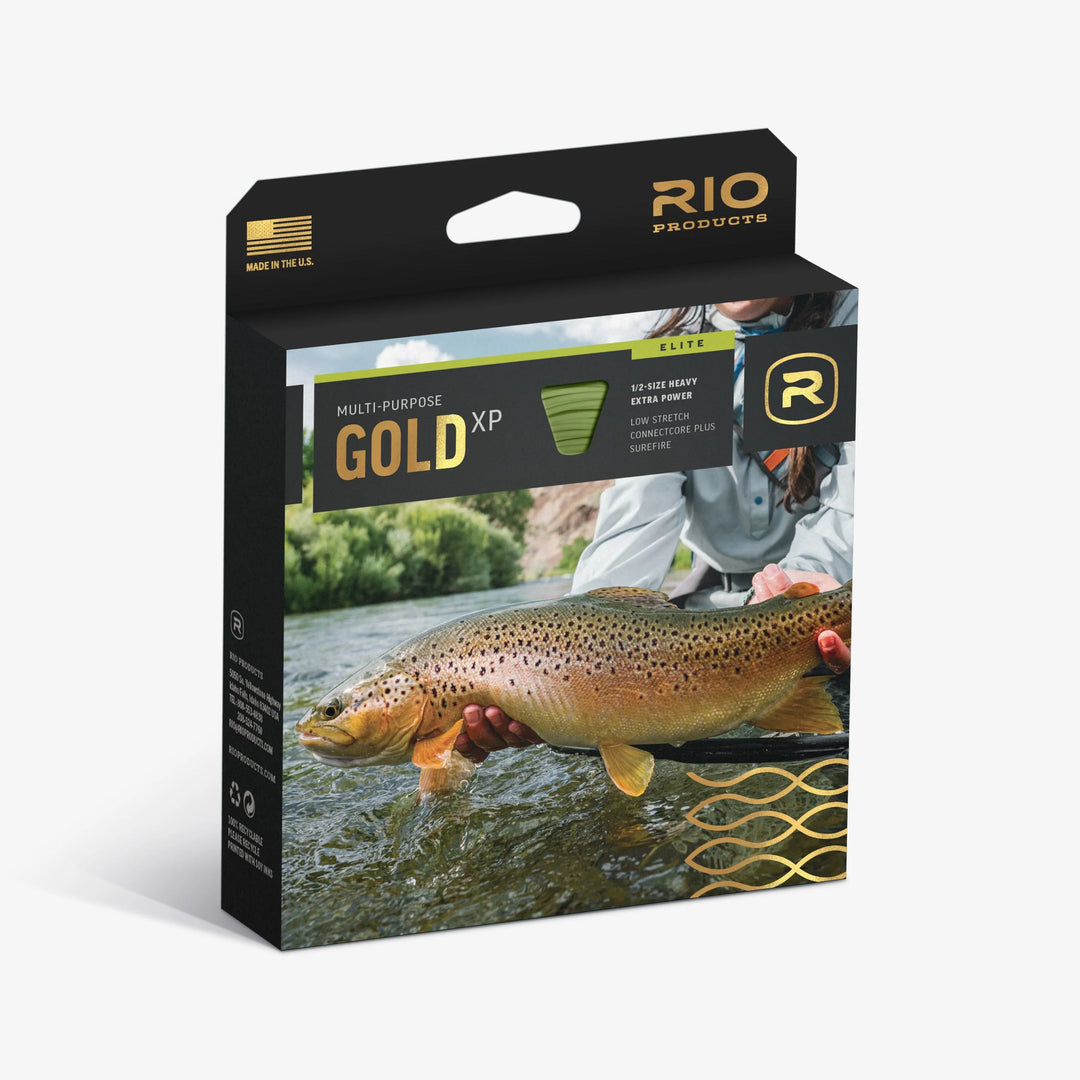
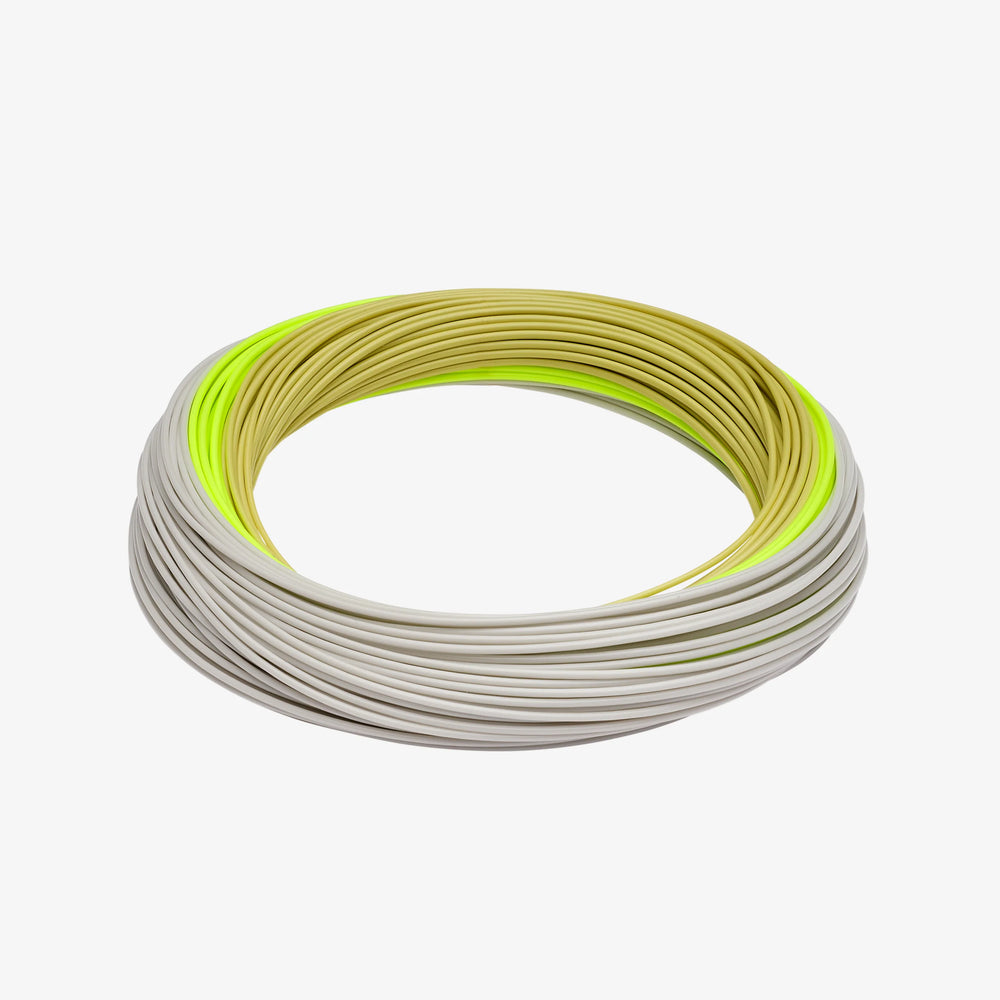
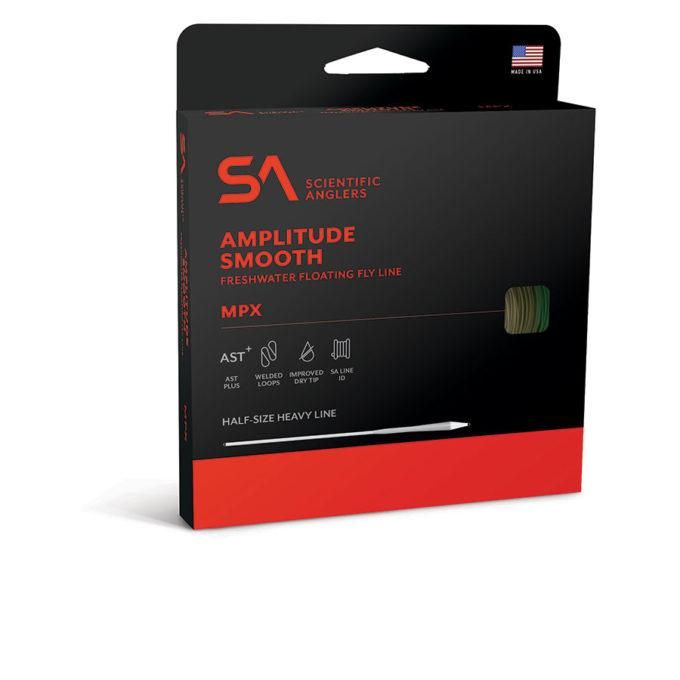
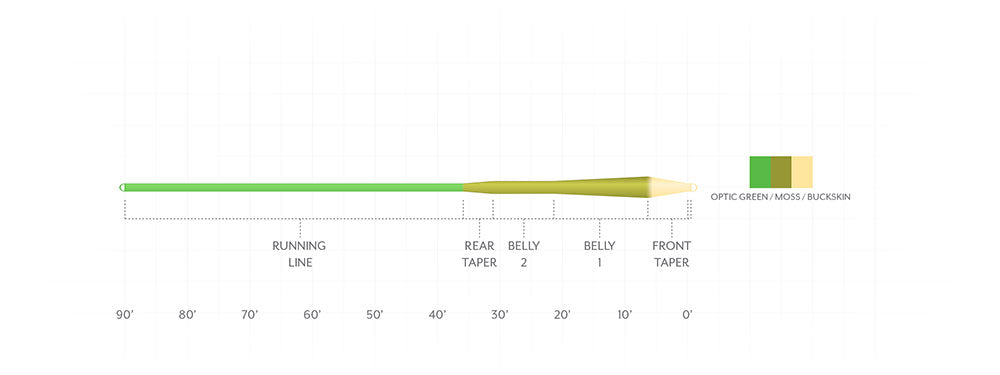
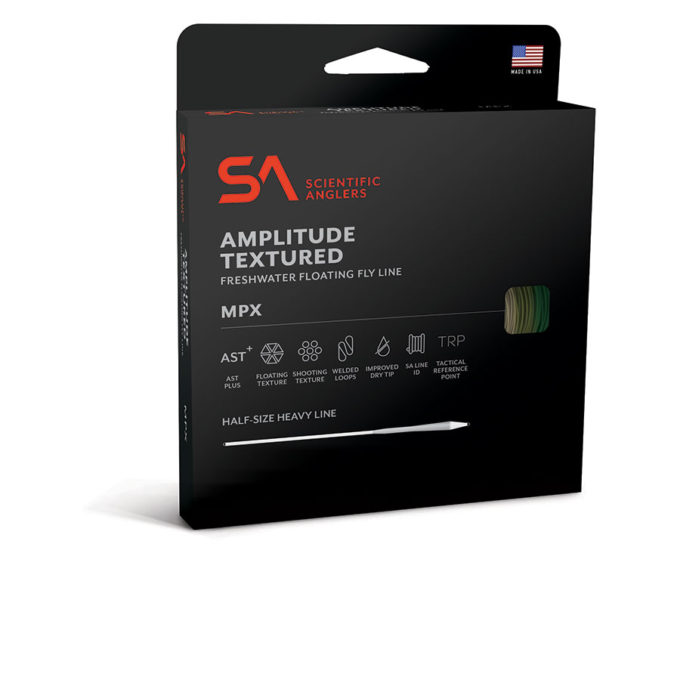
New & Shop Favorite Fly Lines View all
If you have any questions, please feel free to email us at shop@stpetes.com or call either shop and we'd be happy to help! You can reach the Old Town Shop at (970)498-8968 or South at (970)377-3785. Thank you for supporting your local fly shop.