

Ice-Off Stillwater Fly Fishing: Early Season Opportunities
Each year, anglers eagerly watch for the moment when ice finally pulls away from their favorite stillwaters. In many seasons, March still finds lakes locked up under hard water, but when ice-off arrives early it creates one of the best windows of the year for stillwater trout fishing. With open water returning and longer days ahead, trout move quickly into feeding mode, taking advantage of the first major food activity of the season before spawning behavior begins once temperatures reach optimal levels.
Early-season stillwater fishing revolves around warming trends and shallow water. Even though overall lake temperatures remain cold, small changes of just a few degrees can dramatically increase trout activity. Shallow flats, wind-blown shorelines, and darker-bottom areas warm faster in the sun and often become the most productive zones. These areas concentrate both insects and trout, especially during the late morning through afternoon hours when water temperatures peak for the day. Wind can also play a big role by pushing food sources toward certain banks, making windward shorelines particularly productive.

Food Sources + Fly Selection:
One of the primary food sources for trout during this period are midges, also known as Chironomids, along with early-season Leech activity. Chironomids & Leeches make up a huge portion of a trout’s stillwater diet and are present year-round, but they become especially important right after ice-off. Although these are not the only food soruces for stillwater fish, they seem to be the most productive. Other insects and food such as Boatman, Calibaetis, & Baitfish all play a role in fishes diet throughout the season and are worth considering throwing while out during the early portions of the year.
Chironomids & Leeches
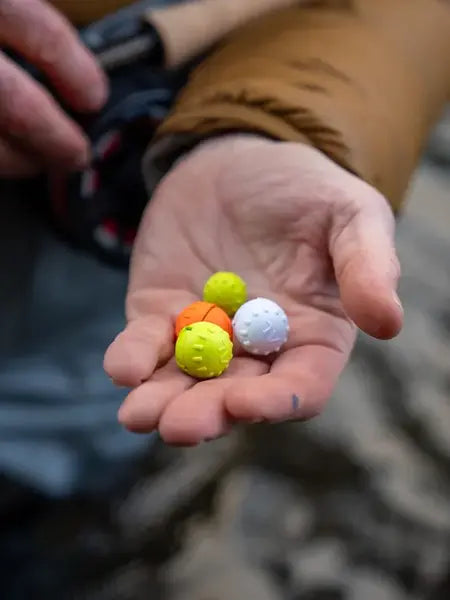
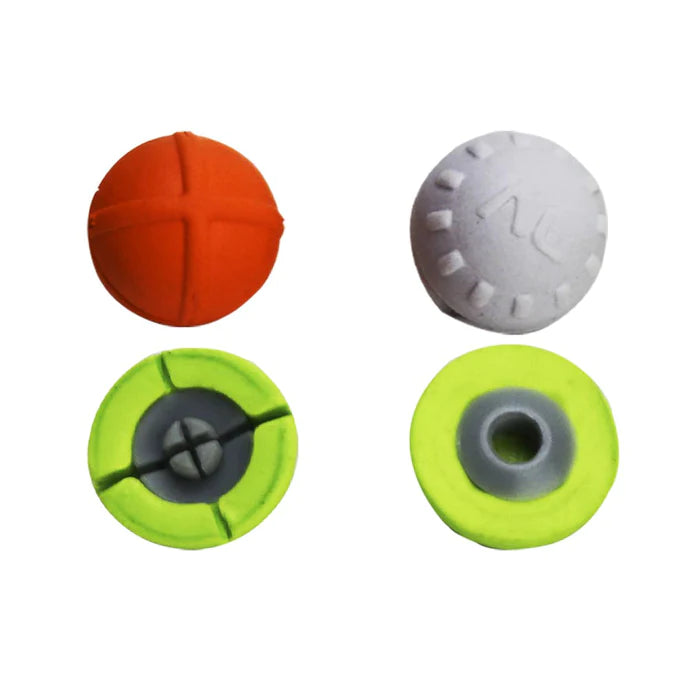
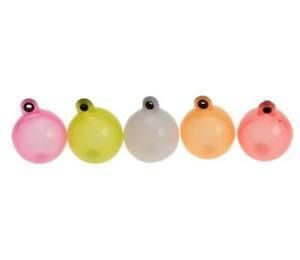
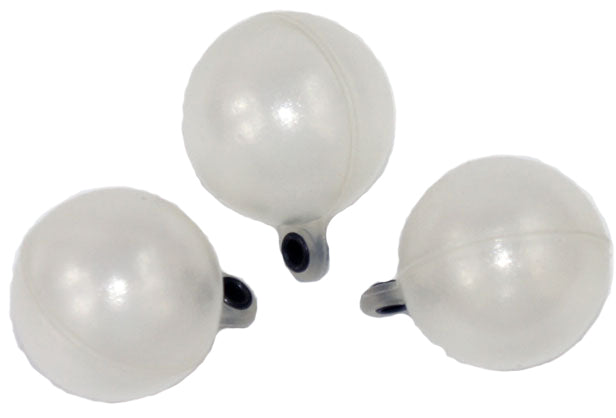
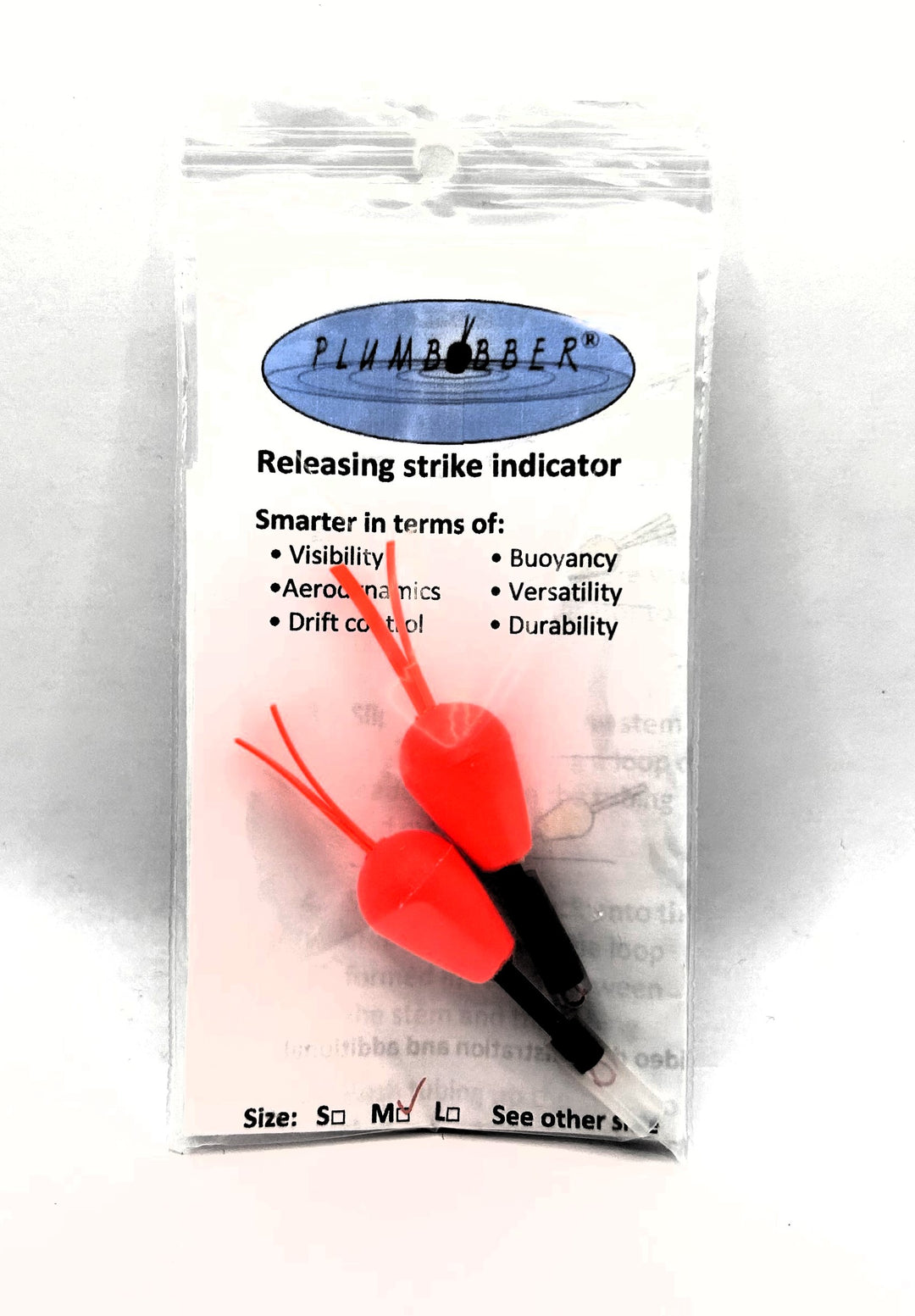
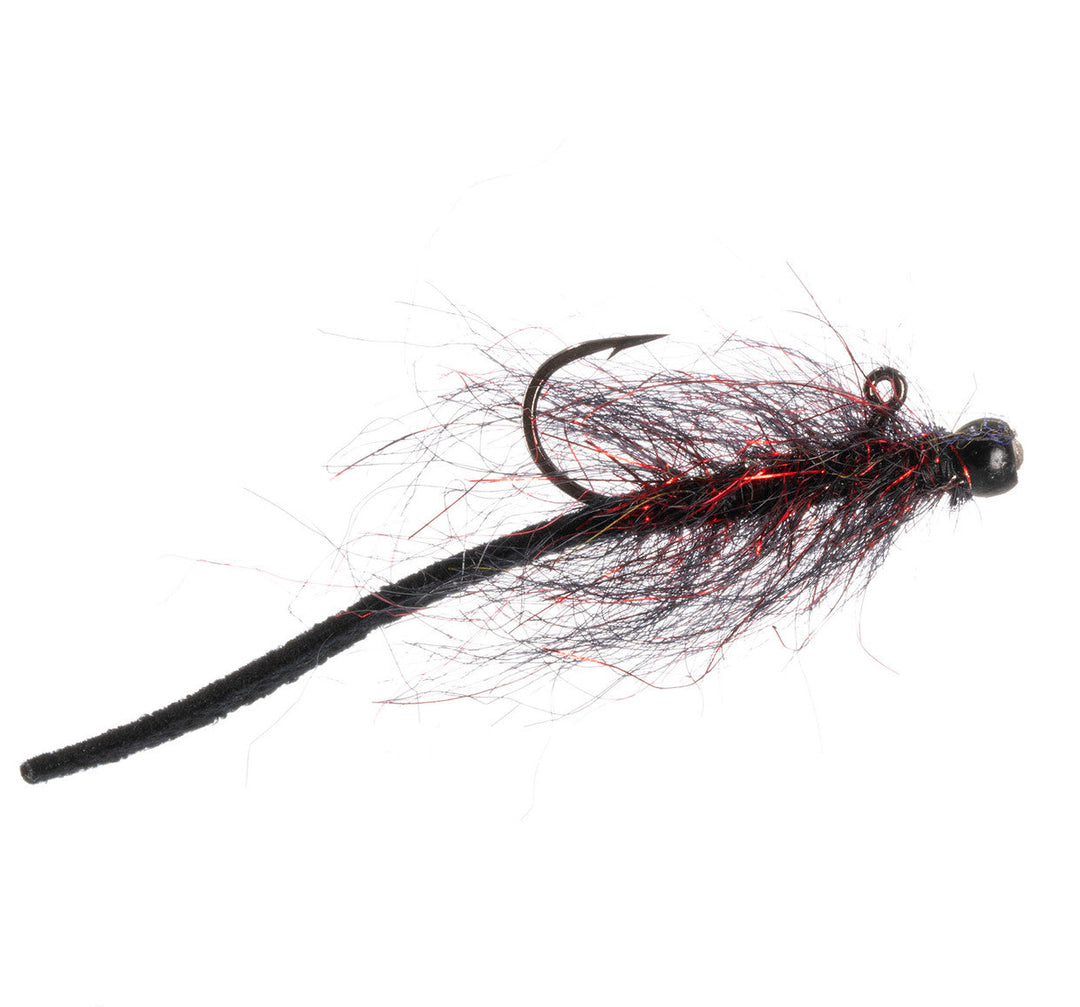
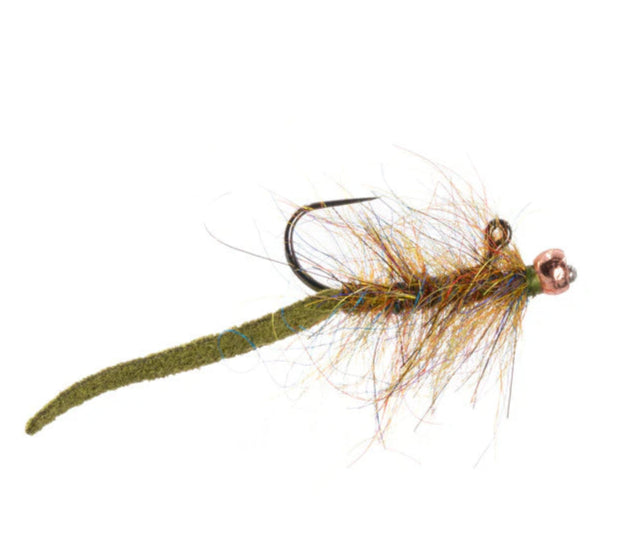
Chironomids: As larvae begin to emerge from the lake bottom, trout cruise slowly through feeding lanes picking them off one by one. Fishing chironomids under an indicator is one of the most effective ways to match this hatch. Suspended patterns such as Tak's Crystal Chironomid, Juju Chironomid, Yankee Buzzer's and Chironocone's can be deadly when presented at the proper depth.
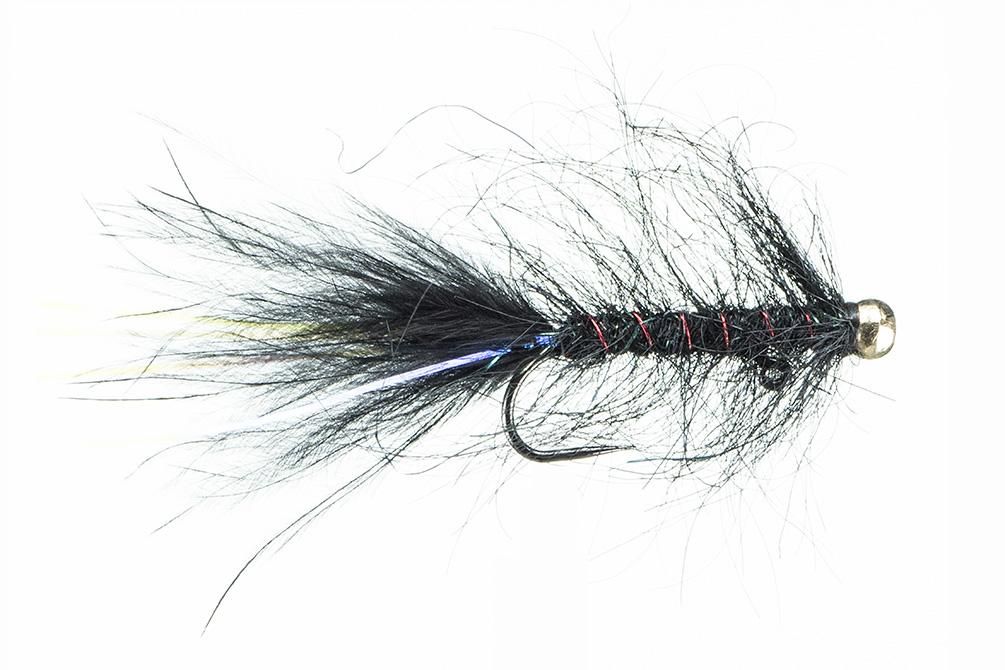
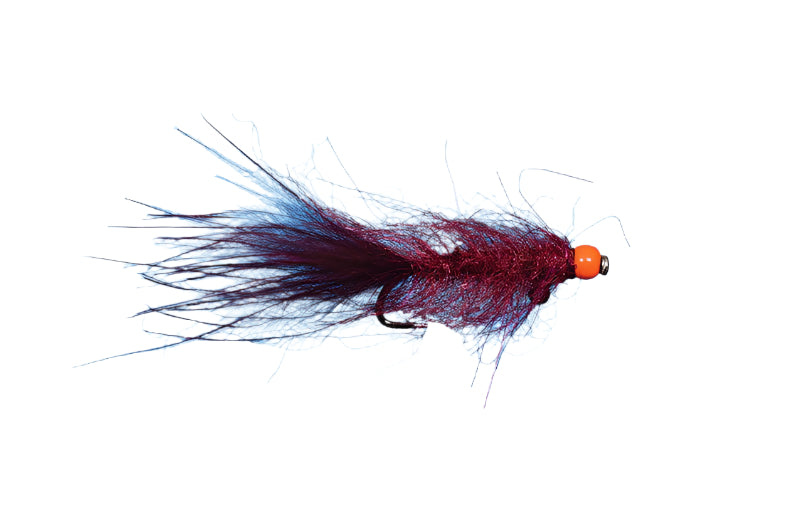
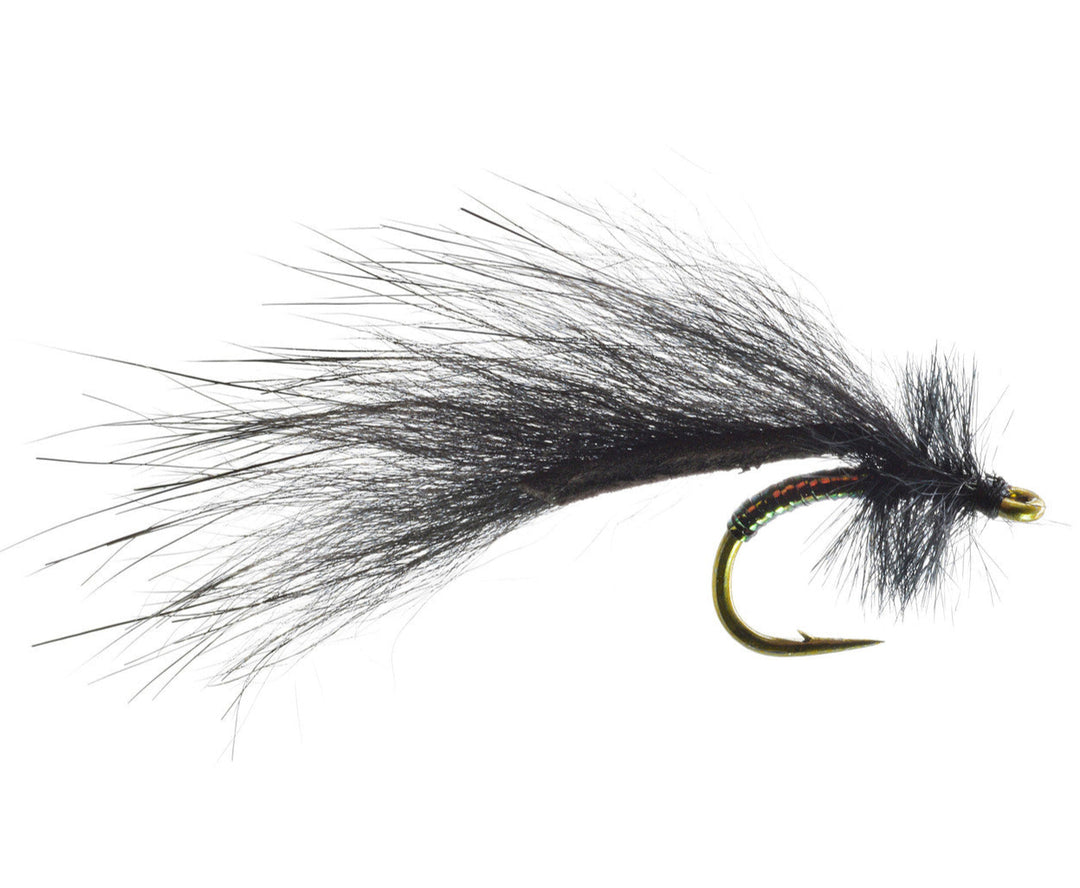
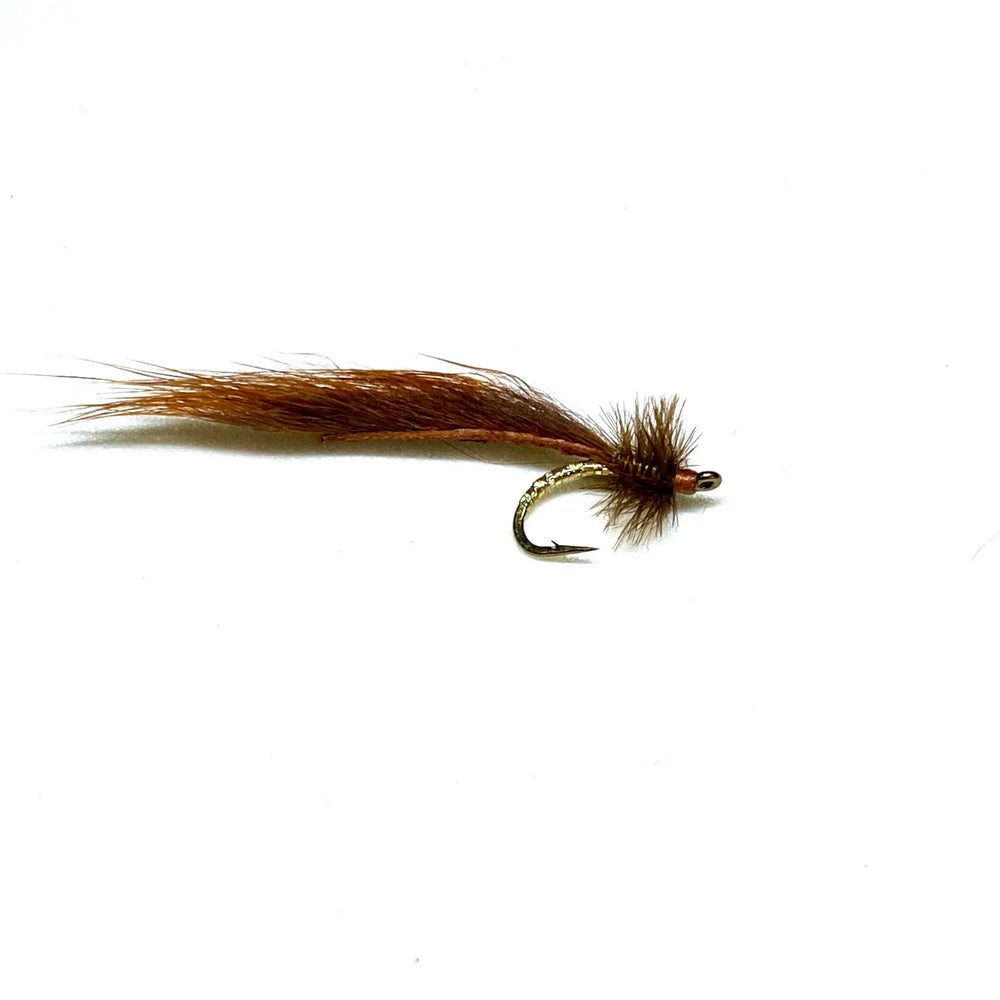
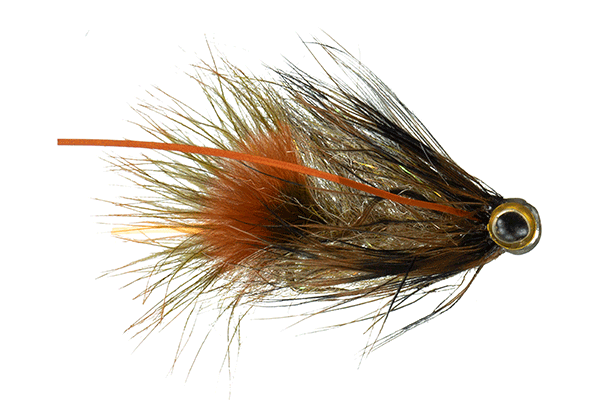
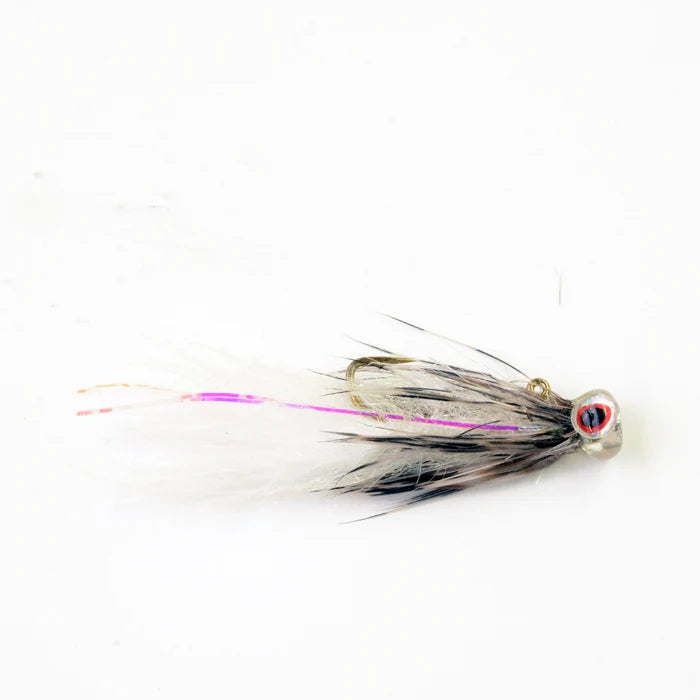
Leeches: Another highly effective tactic is fishing balanced leeches or small streamer patterns. Leeches are active year-round and provide trout with a protein-rich meal. Fish them under an indicator for a controlled, natural presentation at depth, or on intermediate to slow-sinking lines with a slow hand-twist retrieve through shallow zones. Because trout metabolism remains slower in early spring, subtle presentations typically outperform aggressive retrieves. Patterns such as the Thin Mint, Balanced Swimming Leech, and Balanced Leather Leech are all great patterns to have on hand.

Depth control is critical when fishing chironomids & Leeches. In many lakes, trout hold somewhere between 5 and 10 feet of water during early spring, though this can vary depending on the lake and time of day. Positioning your fly just above the lake bottom or near suspended feeding levels is key. Small adjustments to indicator depth can make the difference between a slow day and steady action.
Reading the Water:
One of the unique aspects of stillwater fishing is the importance of patience and observation. Unlike river fishing where currents move food downstream, stillwater environments require anglers to locate where trout are cruising and feeding. Look for subtle signs such as surface foam lines or current seams, cruising fish near shore, or birds feeding on emerging insects. These clues can point toward productive areas and help determine what fish maybe feeding on.
Timing your day can also greatly improve success. Early mornings often remain quiet while water temperatures are still low from overnight cooling. As sunlight warms the lake through the late morning and early afternoon, insect activity increases and trout become noticeably more active. During this period, fish frequently move into shallower water to feed, offering excellent opportunities for both indicator fishing and slow retrieves.
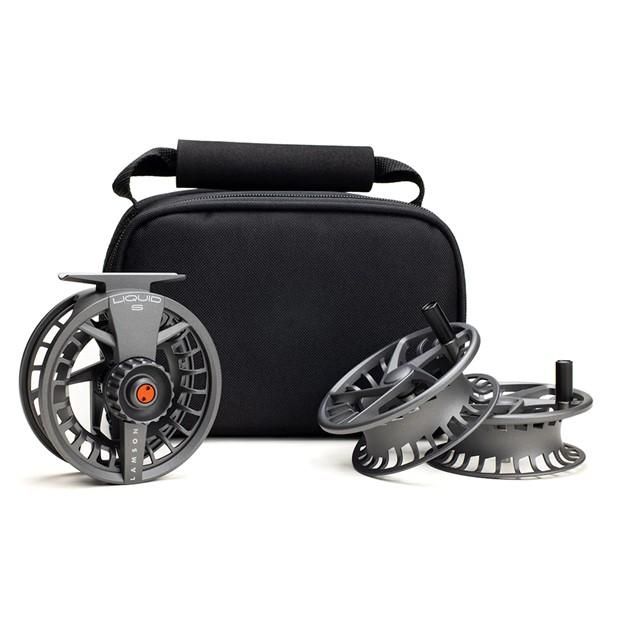
Proper gear including rods, lines, indicators, and flies can have a serious impact on your day when fishing stillwaters. In spring, windy days often shy people away, but with the right rod, line, and setup, fishing in these conditions can be extremely rewarding. Be prepared with the right gear by checking out our Stillwater Gear Breakdown.
Weather & Condtions:
Spring weather can change quickly, so anglers should always come prepared. Cold mornings, strong winds, and rapidly shifting conditions are common during the early stillwater season. While wind can make casting challenging, it often improves fishing by concentrating food along certain shorelines and stimulating insect activity.
For many anglers, post–ice-off conditions provide some of the best stillwater fishing of the entire year. Trout are eager to feed after a long winter, insect life begins to awaken, and lakes are often less crowded than during other months. By focusing on warming water, key food sources like chironomids and leeches, and slow, deliberate presentations, anglers can take full advantage of this short but productive window.
If you have the opportunity to fish stillwaters soon after ice-off, it’s well worth the effort. With the right flies, a patient approach, and attention to changing conditions, early-season stillwater fishing can deliver some truly memorable days on the water.