

Trico's : How To Earn You Dry Fly Degree
As we approach the start of the school year, it’s fitting that we’ve been working our way through the summer semester of dry fly fishing. It begins with shorter casts, big flies, and big water, targeting trout that are eager and naive enough to pounce on the season’s early meal tickets.
By the middle of summer, these fish have packed on the equivalent of the “freshman 15” and become more in tune with the seasonal menu, growing increasingly selective about what and when they’ll eat on the surface. As flows steadily drop and clear, both angler and fish begin honing their instincts, swapping roles between student and instructor along the way.

We’re now entering the part of the season you might call Finals Week, where you’re required to put all those accumulated lessons to the test and show what you’ve learned. This is how we’d sum up Trico fishing.
Tricos are some of our smallest mayflies of the season, hatching in enormous clouds early in the morning, often before most anglers have had their coffee. Trout will feed during this hatch window, although most anglers never even see this phase of the hatch. What they’re more likely to witness is the mating activity, with swarms of tiny bugs hovering above the water.
Spinners
Immediately after mating, the males die and fall to the surface, their wings laid flat to either side of their bodies. Trout of all sizes recognize this profile and prepare for the feast, often setting up in the slower, glassy tailouts of runs and pools.
To the unlearned eye, it can look like every trout in the river has suddenly decided to methodically feed on an invisible food source. At first glance, an unsuspecting angler might lick their lips at such a fortunate opportunity, only to limp away hours later wondering how it all turned into a cruel joke being filmed for everyone to laugh at during the next F3T Tour.

The Trico hatch is where you truly test your mettle as a dry fly angler, and it always comes with a healthy mix of concentration, frustration, and triumph. Some of the challenge comes from fishing tiny flies on light tippet in slow, flat water. On top of that, you’re targeting educated trout with plenty of time to inspect each lifeless bug drifting overhead. They’ve seen the real thing by the thousands, meaning only the right pattern paired with the right presentation is likely to earn an eat.

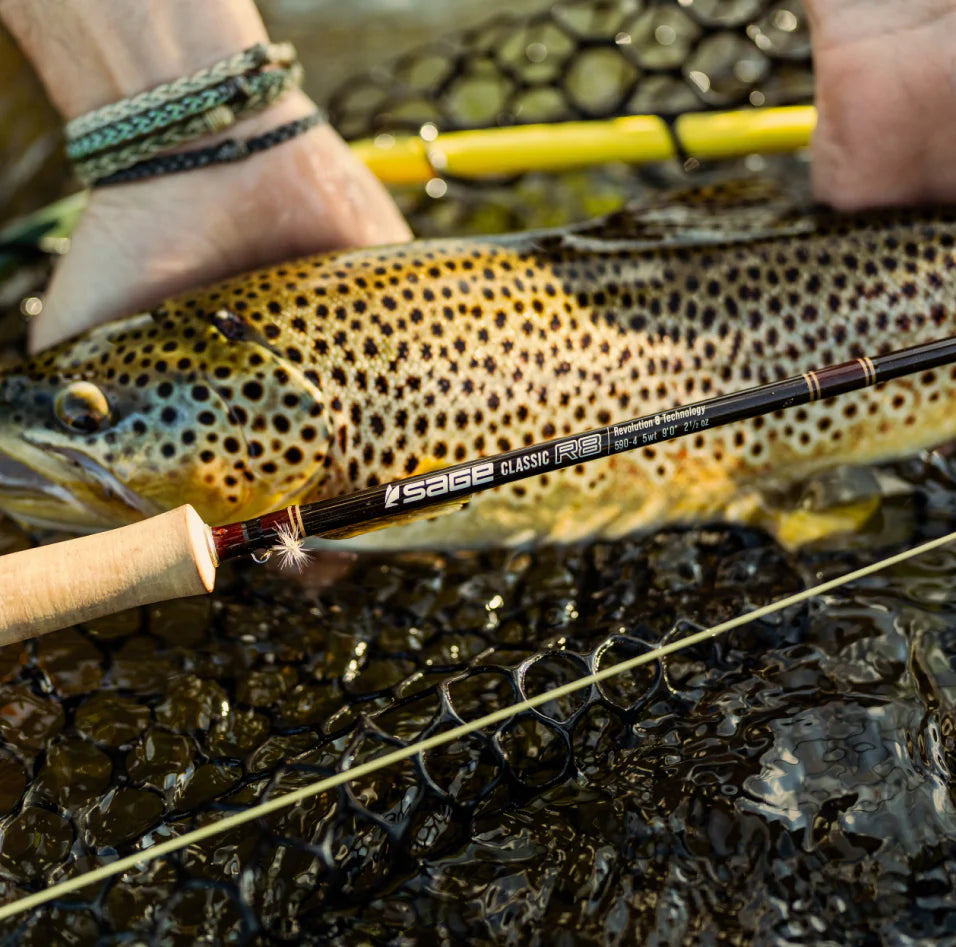


Be sure to swing by either shop or feel free to give us a call to check in on conditions and up to date information on bugs you should be fishing on your next adventure! We look foward to seeing you then!